
Wrist Pain Physio in Bruntsfield, Edinburgh
Wrist pain assessment, treatment and rehabilitation
Wrist pain can make everyday tasks and exercise difficult. Gripping, lifting, typing, using your phone or putting weight through your hand can all become uncomfortable.

What Causes Wrist Pain?
Wrist pain can have many different causes, so getting a clear understanding of your symptoms is important. The location of the pain, how it started and what movements aggravate it can all help guide your treatment.
You might be dealing with wrist pain from:
Climbing, gripping or high-volume training
Weightlifting, pressing or exercises that load the wrist
Racquet sports and repetitive gripping
Desk work, keyboard and mouse use
Repetitive lifting or caring for a baby
A fall or previous wrist injury
Pins and needles, numbness or tingling in the hand
At Perform Health Co, we’ll assess your wrist, hand and movement, take a detailed history and explain what we find. You’ll receive a clear treatment and rehabilitation plan based on your symptoms, activity and goals.
Treatment may include hands-on physiotherapy, targeted exercises and progressive strengthening to help you get back to normal movement and the activities you enjoy.
More Than Just Wrist Pain
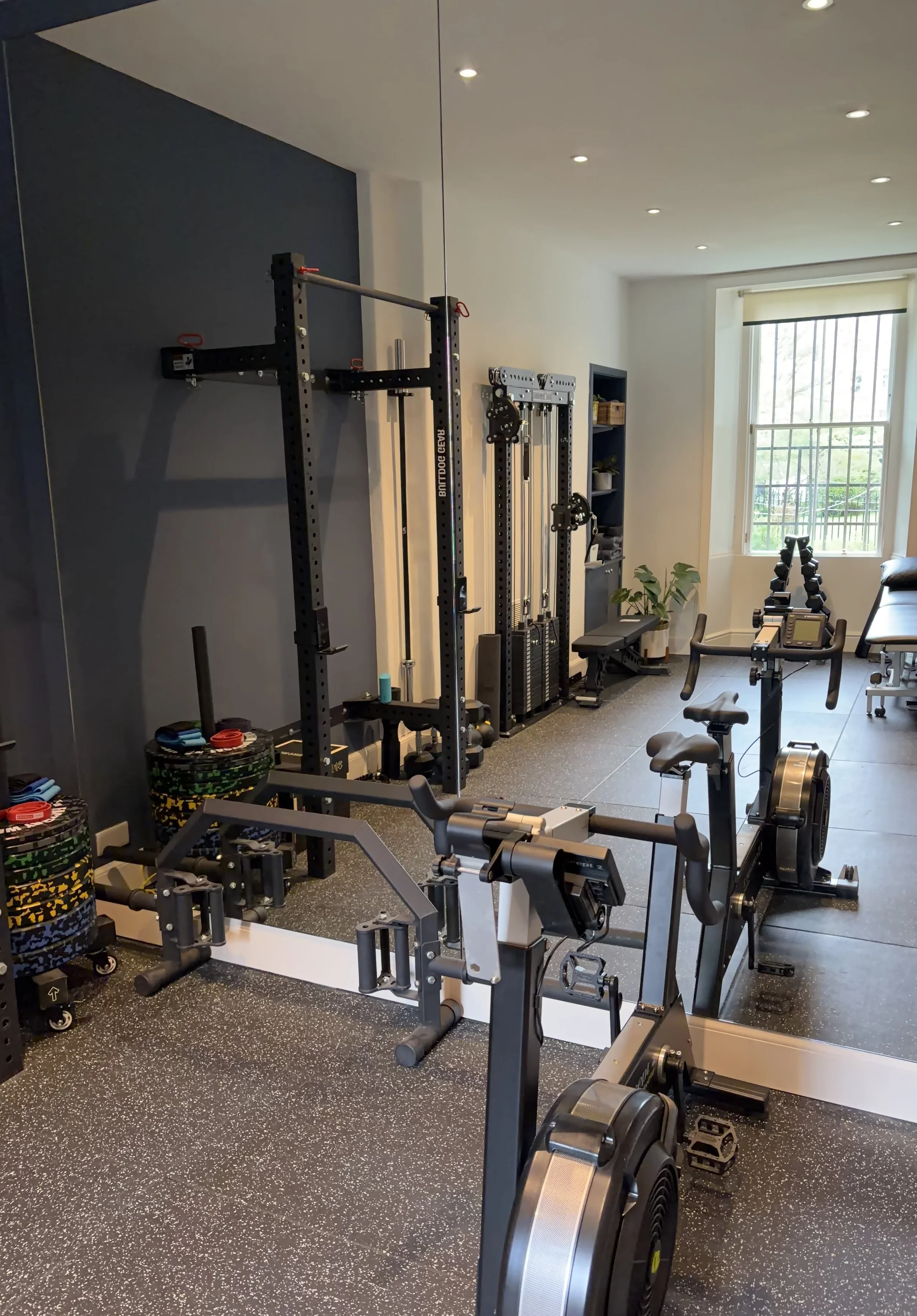
At Perform Health Co, we look beyond the painful area to understand what is contributing to your wrist problem and what your wrist needs to cope with in everyday life, work, exercise or sport.
Our in-house rehab gym gives your physiotherapist the space to work with you beyond the treatment table. You can progressively rebuild strength, movement and confidence in your wrist while being guided through the right exercises and loading for your individual needs.
Your care can follow one connected pathway, from diagnosis and treatment through to rehabilitation, all within the same clinic. The aim is not simply to reduce your symptoms, but to help you build a wrist that can handle the demands you want to place on it.
Initial Physiotherapy Session
Appointment: £70
Your 45-minute appointment includes a full physiotherapy assessment, hands-on treatment and a personalised rehabilitation plan.
We’ll assess your wrist pain, explain what we find and give you a clear plan for your recovery and next steps.
What You Can Expect During Your Assessment
Full wrist assessment and history
Hands-on treatment from your first visit
Personalised rehab plan with home or gym exercises via our rehab app
Clear recovery plan so you know what to expect and how to progress
★★★★★ 5.0 Google Reviews
Wrist Conditions We Treat
Wrist pain comes from tendons, nerves, ligaments, cartilage, and joints, and the treatment for each is different. A correct diagnosis is the most important thing we do in your first appointment.
Our Edinburgh clinic helps people at all stages recover from:
-
Injuries to the ligaments around the wrist, often following a fall, twist or sudden impact
-
Fluid-filled lumps around the wrist or hand that can sometimes cause pain, pressure or restricted movement.
-
Injuries to the cartilage and supporting structures on the little-finger side of the wrist, often causing pain with gripping, twisting or loading the wrist.
-
Pain and irritation around the wrist tendons, often linked to repetitive gripping, lifting, sport or increased training.
-
Pain around the thumb side of the wrist, commonly aggravated by gripping, lifting or repetitive thumb movements.
-
Numbness, tingling, pain or weakness in the hand caused by irritation or compression of the median nerve at the wrist.
-
Physiotherapy following a wrist fracture to help restore movement, strength and confidence as you return to normal activities.
Frequently Asked Questions
-
Physiotherapy is all about helping people recover from injury, prevent setbacks and perform at their best.
Rather than focusing solely on where it hurts, we look at your history, the mechanism of injury and provide a diagnosis, alongside agreed treatment and a collaborative rehab plan.
Our Physiotherapy team doesn’t just treat symptoms. We identify the underlying cause, address the movement and strength deficits contributing to the problem, and create a plan that helps you return stronger and stay there.
-
The number of sessions you need depends on the type of injury, your goals, and how your body responds to treatment. Some people feel significant pain relief within a few sessions, while others require a longer rehabilitation plan to fully rehabilitate.
Early treatment often focuses on reducing pain and improving range of motion. As you progress, the focus shifts towards getting stronger and back to doing what you love as soon as possible. This approach helps support longer term recovery and reduces the chance of symptoms returning.
After your initial assessment, your Physiotherapist will give you a clear plan of what to expect and discuss a timeline that suits your needs.
-
Your first appointment is focused on understanding your problem and finding out what may be contributing to it. Your physiotherapist will discuss your symptoms, medical history and any relevant activities or goals before carrying out a detailed physical assessment.
They will explain their findings with you and outline what they recommend next. Where appropriate, this may include hands-on treatment, specific exercises or a programme using our in-house rehab gym. You will leave with a clear understanding of what is causing or contributing to your symptoms and the next steps in your rehabilitation.
-
No. As a private Physiotherapy practice, you do not need a GP referral to book an appointment with us. You can self refer and access treatment directly.
The benefits of early intervention means we can get you moving more pain-free sooner and back to doing what you love.
-
Yes. We work with several major private health insurance providers. This includes Aviva, Vitality, WPA, Healix and Axa Health.
Coverage depends on your individual policy, so we recommend checking with your insurer before your appointment to confirm what is included. If required, we can provide invoices or reports to support your claim and help with the reimbursement process.